

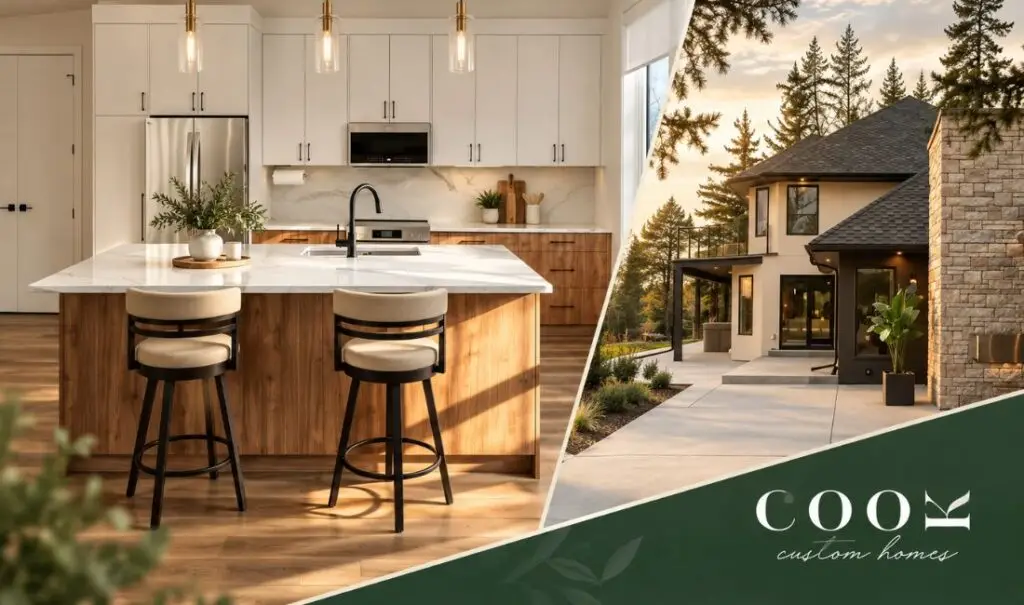
A luxury home is more than an impressive exterior or an elegant interior. It is a carefully planned space that reflects your lifestyle, supports your daily routines, and brings your vision of comfortable living to life. For homeowners considering a custom build, personalized design offers the opportunity to create a home where every room, finish, and architectural detail serves a purpose.
In Calgary, designing a luxury custom home also means considering the local climate, property characteristics, natural light, energy efficiency, and changing seasonal conditions. From an open-concept kitchen to a thoughtfully designed outdoor living area, the right decisions made before construction can influence how your home looks, feels, and functions for years to come.
At Cook Custom Homes, the focus is on creating thoughtfully designed homes through a personal, hands-on approach. With founder James Cook involved throughout the building process, homeowners can work toward a home that reflects their individual preferences, practical needs, and long-term goals.
If you are planning a new build, here are nine personalized luxury home design features worth considering before construction begins.
1. Start with a Floor Plan That Reflects Your Lifestyle
A successful custom home design begins with understanding how you want to live. Rather than choosing a standard floor plan and adapting your lifestyle around it, consider how your home can support your everyday activities.
For example, families who enjoy entertaining may prefer an open-concept kitchen, dining area, and living room. Homeowners who work remotely might benefit from a dedicated office away from busy household spaces. Growing families may prioritize flexible rooms that can serve different purposes over time.
When planning your layout, consider:
- How family members move between rooms throughout the day.
- Whether open or separate living spaces better suit your preferences.
- How much privacy you need in bedrooms and work areas.
- Where additional storage would make everyday life easier.
- Whether the home should accommodate future lifestyle changes.
A personalized floor plan helps balance comfort, functionality, and visual appeal while making better use of the available space.
2. Create an Architectural Style That Feels Personal
The exterior of your home establishes its character. Whether you prefer contemporary architecture, timeless traditional details, or a blend of modern and classic elements, your design should reflect your taste while complementing the surrounding property.
Consider incorporating architectural features such as large windows, natural stone accents, carefully selected exterior materials, distinctive entryways, or thoughtfully proportioned rooflines.
The goal is not to include every luxury feature available. Instead, select elements that work together to create a cohesive design.
For Calgary homeowners, exterior planning should also account for seasonal weather conditions and material performance. The right combination of suitable materials, insulation, window specifications, and detailing can help support durability and year-round comfort.
Working with an experienced custom home builder helps bring these design decisions together with the practical requirements of construction.
3. Design a Kitchen That Combines Luxury and Functionality
The kitchen often becomes one of the most frequently used spaces in a home. It serves as a place for preparing meals, gathering with family, entertaining guests, and managing everyday routines.
A personalized luxury kitchen should look beautiful while supporting the way you cook and use the space.
Consider features such as:
- A kitchen island with additional preparation space and seating.
- Custom cabinetry designed around your storage requirements.
- High-quality countertops that suit your preferred style and maintenance needs.
- Layered lighting for food preparation, dining, and entertaining.
- A practical arrangement of appliances, work surfaces, and storage.
- A walk-in pantry or dedicated storage area where space permits.
Material selection is equally important. Natural stone, wood finishes, textured cabinetry, and carefully chosen hardware can create a refined appearance without making the room feel overly elaborate.
By considering your cooking habits and entertaining preferences early, you can create a kitchen that remains functional long after the initial excitement of moving into a new home.
4. Make Natural Light a Priority
Natural light can influence the atmosphere, perceived spaciousness, and overall comfort of a home. Thoughtful window placement can also strengthen the connection between indoor living spaces and the surrounding landscape.
During the design stage, consider how sunlight moves across your property and how different rooms will be used throughout the day.
Large windows may be particularly effective in living rooms, dining areas, and spaces that overlook attractive outdoor views. Skylights or carefully positioned windows may also help introduce daylight into selected areas.
However, larger windows should be planned alongside considerations such as privacy, glare, insulation, solar heat gain, and energy performance.
In Calgary, where winter daylight and temperature conditions can influence indoor comfort, window orientation and specifications deserve particular attention.
A well-planned lighting strategy combines natural daylight with artificial lighting. Recessed fixtures, pendant lights, wall sconces, and task lighting can create different moods while keeping important areas practical and comfortable.
5. Choose Materials and Finishes That Reflect Your Taste
Materials play an important role in defining the personality of a luxury custom home. Flooring, cabinetry, countertops, wall treatments, fixtures, and hardware all contribute to the finished appearance.
Instead of selecting materials individually without an overall plan, establish a consistent design direction before making final decisions.
For example, a warm contemporary interior might combine natural wood, neutral wall colours, subtle stone textures, and understated metal accents. A more traditional home could incorporate detailed millwork, classic cabinetry, layered finishes, and timeless architectural elements.
When selecting materials, consider:
- Appearance and compatibility with the overall design.
- Durability and expected maintenance requirements.
- Performance under everyday use.
- Availability and the impact of material choices on the project budget.
- How finishes work together across connected rooms.
It is also helpful to create a materials palette before construction progresses too far. This reduces uncertainty and helps maintain consistency between the kitchen, bathrooms, living areas, and other interior spaces.
Personalization does not necessarily mean choosing the most expensive finishes. Thoughtful selection and coordination often make a greater difference than adding more decorative features.
6. Incorporate Storage Without Compromising Design
Storage is an essential part of a well-designed home, even when the overall goal is a sophisticated, uncluttered interior.
Without adequate storage, attractive living spaces can quickly become crowded with everyday belongings. Integrating storage into the original floor plan helps preserve the appearance and functionality of each room.
Depending on your needs and available space, consider:
- Walk-in closets with customized shelving.
- Built-in cabinetry in living rooms and home offices.
- Mudrooms with designated areas for coats, footwear, and outdoor equipment.
- Pantry storage designed around your kitchen routine.
- Linen cupboards and well-planned bathroom storage.
- Garage storage for tools, seasonal items, and recreational equipment.
For Calgary households, a practical entry area can be particularly valuable during winter, when boots, coats, and outdoor accessories require additional space.
Built-in solutions can also reduce the need for freestanding furniture and help create a more cohesive interior. The key is to identify storage requirements during planning rather than trying to accommodate them after the home is complete.
7. Design Private Spaces for Relaxation and Productivity
Luxury is not limited to shared living areas. Personal spaces can make a home more comfortable by supporting rest, concentration, and individual interests.
A thoughtfully designed primary bedroom, for example, may include a comfortable layout, carefully selected lighting, practical closet storage, and a private ensuite bathroom.
Other personalized spaces could include a quiet home office, a reading nook, a hobby room, a fitness area, or a flexible guest bedroom.
Before assigning rooms to specific functions, think about how your needs may change over time. A flexible room might serve as a nursery today, a study later, and a guest room in the future.
Acoustic privacy, lighting, ventilation, and access to storage are all worth considering when planning these areas.
These details may not always be the most noticeable features of a luxury home, but they can have a meaningful impact on everyday living.
8. Connect Indoor Living with Outdoor Spaces
Outdoor living areas can extend the usable space of a home and provide additional opportunities to relax or entertain.
Depending on your property and design preferences, you might consider a covered patio, an outdoor dining area, a landscaped garden, or a space prepared for an outdoor kitchen.
The relationship between indoor and outdoor spaces is important. Large sliding doors, well-positioned windows, and accessible transitions can help connect the main living areas with the backyard or patio.
In Calgary, outdoor features should be planned with seasonal weather in mind. Material durability, drainage, snow management, exposure to wind, and maintenance requirements can all affect the long-term usability of these spaces.
It is also important to consider privacy and how the outdoor area relates to neighbouring properties.
When planned as part of the original home design, outdoor living spaces can feel like a natural extension of the interior rather than an afterthought.
9. Plan for Energy Efficiency and Long-Term Comfort
A luxury home should provide more than visual appeal. It should also support comfortable indoor temperatures, effective ventilation, and efficient energy use.
These priorities are especially relevant in Calgary, where homes experience substantial seasonal temperature changes.
Depending on the design, property, and budget, energy-conscious planning may include:
- Appropriate insulation and air sealing.
- Energy-efficient windows and exterior doors.
- Heating and cooling systems selected for the home’s requirements.
- Proper ventilation and indoor air quality considerations.
- Efficient lighting and appliances.
- Building-envelope details designed for local climate conditions.
The best approach is to consider these elements together rather than treating each as a separate upgrade.
For example, window specifications, insulation, air leakage, and heating system requirements influence one another. Coordinated planning can help avoid mismatches between the building envelope and mechanical systems.
Discussing these considerations early with the appropriate design and construction professionals can help you evaluate options before important decisions become expensive to change.
Why Work with a Custom Home Builder in Calgary?
Bringing a personalized design from an initial idea to a completed home involves more than selecting attractive finishes. It requires coordination between design decisions, property conditions, construction requirements, material choices, scheduling, and budget considerations.
Working with a custom home builder can help homeowners navigate these interconnected decisions through a more organized process.
At Cook Custom Homes, the approach centres on personalized service, craftsmanship, clear communication, and attention to detail. Founder James Cook brings more than 15 years of construction experience and remains personally involved in projects, helping maintain a hands-on relationship with homeowners throughout the building journey.
Whether you are planning a new custom home or considering a substantial transformation of an existing property, understanding your goals from the beginning helps establish a clearer direction.
Explore our custom home building services in Calgary to learn more about creating a home tailored to your needs.
If your project involves updating an existing property, our home renovation services may also be relevant. For homeowners focused on interior layouts, finishes, and the overall feel of their spaces, discover our interior design services in Calgary.
Create a Home That Reflects Your Vision
Personalized luxury home design is about making informed choices that bring together appearance, functionality, comfort, and long-term value. From the layout of your kitchen to the placement of windows and the materials used throughout your home, every decision contributes to the final result.
By planning your priorities before construction begins, you can create a more cohesive design and reduce the likelihood of costly changes later in the process.
The most successful custom homes are not simply designed to impress visitors. They are designed around the people who live in them.
If you are considering a custom home or major renovation in Calgary, Cook Custom Homes can help you explore your ideas and plan the next steps.
Visit Cook Custom Homes or contact our team to discuss your vision for a thoughtfully designed home.
Frequently Asked Questions About Luxury Custom Home Design in Calgary
1. How much does it cost to build a luxury custom home in Calgary?
The cost of building a luxury custom home in Calgary depends on the home’s size, architectural design, materials, finishes, property conditions, and construction requirements. Features such as custom cabinetry, premium flooring, large windows, and specialized living spaces can influence the overall budget. Establishing your priorities early helps create a design that aligns with your vision and budget.
2. How do I personalize the design of my custom home?
You can personalize your custom home by choosing a floor plan, architectural style, interior finishes, lighting, storage solutions, and living spaces that reflect your lifestyle. Consider how you use your kitchen, bedrooms, home office, and outdoor areas. Working with a custom home builder helps coordinate these preferences with practical construction requirements.
3. What luxury home design features are popular in Calgary?
Popular luxury home design features include open-concept living areas, spacious kitchen islands, custom cabinetry, large windows, walk-in closets, dedicated home offices, and integrated outdoor living spaces. Calgary homeowners should also consider energy-efficient windows, effective insulation, ventilation, and heating systems to support year-round comfort.
4. How long does it take to design and build a custom home in Calgary?
The timeline depends on the home’s size and complexity, design revisions, permitting requirements, material availability, and construction conditions. Design and planning may take several months, while construction can take a year or longer for some projects. Discussing your goals, budget, and expected timeline with your builder early helps establish realistic expectations.
5. Why should I choose a custom home builder for my luxury home in Calgary?
A custom home builder helps coordinate your design preferences, property requirements, material selections, budget, and construction process. This approach allows you to create a home tailored to your lifestyle rather than adapting to a standard floor plan. Cook Custom Homes offers a personalized, hands-on approach to custom home building, with founder James Cook bringing more than 15 years of construction experience to the process.