
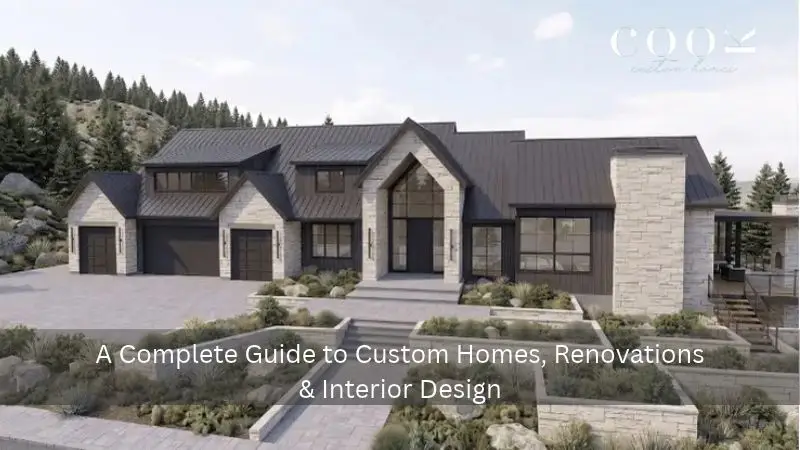
Whether you are picturing a new home on an acreage west of the city, an inner-city infill, or a long-overdue transformation of the house you already own, the same questions come up again and again. Where do we start? Who do we trust? What will it really involve? And how do we avoid the costly surprises we have heard about from friends and neighbours?
This guide answers those questions in plain language. It walks through custom home building in Calgary, luxury and acreage construction, floor planning, renovations, kitchens, bathrooms and basements, interior design, budgeting, and how to choose the right team. Use it as a planning reference you can come back to at each stage of your project.
Why More Homeowners in Calgary Are Considering Custom Homes and Home Renovations
Calgary homeowners have good reasons to look beyond the standard listing. Many families want a home that fits how they actually live: space for multigenerational living, a main-floor office, a mudroom built for Alberta winters, a kitchen designed around real cooking, or a basement that works as more than storage.
At the same time, many people love their neighbourhood and do not want to leave. Mature communities such as Bridgeland, Briar Hill, Riverside and Aspen Woods offer location, character and access that are hard to replace. That leaves two realistic paths: build new on a lot you own or purchase, or renovate what you have so it works for the next decade or two.
Both paths reward careful planning. The homeowners who are happiest with the result tend to be the ones who understand the process, ask good questions early, and choose a team that communicates openly.
Understanding Custom Home Building in Calgary
What Is Custom Home Construction?
Custom home construction means designing and building a home around your site, your household and your preferences, rather than selecting from a builder’s fixed set of models. The layout, the structure, the finishes and the details are decided with you. Custom home building in Calgary can range from a thoughtfully designed infill on a narrow city lot to a large estate home on several acres.
A custom project typically moves through consultation, site review, design and planning, permitting, construction and final completion. A good custom home builder in Calgary guides you through each step so decisions are made in the right order and at the right time.
Benefits of Hiring Professional Custom Home Builders
A professional builder brings more than labour. The real value is in coordination and judgment:
- Site knowledge. Calgary’s climate, freeze-thaw cycles, soil conditions and drainage patterns affect how a home should be designed and built.
- Trade relationships. Experienced builders work with established trades and suppliers, which helps with scheduling and quality control.
- Code and permit familiarity. Knowing what the City of Calgary or the surrounding county expects reduces delays and rework.
- Problem-solving. Every build encounters surprises. An experienced team anticipates many of them and handles the rest calmly.
- A single point of accountability. When one team is responsible for the outcome, it is clear who to call.
Custom Home vs Production Home
| Consideration | Custom Home | Production Home |
| Design | Designed for your lot and lifestyle | Selected from existing models |
| Flexibility | High; layout, materials and details are adjustable | Limited to available options and upgrades |
| Site fit | Designed around your specific property | Often built to a repeatable plan |
| Process | More involved, with more decisions | Typically more streamlined |
| Timeline | Depends on design, permits and complexity | Often more predictable for standard plans |
Neither option is automatically better. A production home can suit buyers who want a simpler process and are comfortable with a defined set of choices. A custom home suits people who want the home to fit their land, their family and their long-term plans. If you are searching for new home builders in Calgary, it helps to decide early which of these approaches matches your priorities.
The New Home Construction Process
While every project is different, most follow a similar sequence:
- Initial consultation. Discuss goals, lifestyle needs, timeline and general budget expectations.
- Site review. Look at the lot or acreage, access, servicing, grading and any restrictions.
- Design and planning. Develop floor plans, elevations and specifications. This is where custom home floor plans in Calgary take shape.
- Budgeting and contract. Move from general ideas to a defined scope, allowances and a written agreement.
- Permits and approvals. Submit drawings and secure the required permits.
- Construction. Site preparation, foundation, framing, mechanical and electrical, insulation, interior finishing and exterior work.
- Completion and walkthrough. Review the finished home, address deficiencies and hand over the keys with warranty information.
The more you decide before construction begins, the fewer changes you will make mid-build, and changes mid-build are among the most common causes of budget and schedule pressure.
Choosing the Right Residential Builder
The best-fitting builder is not always the biggest or the one with the loudest advertising. Look for a team whose style, communication and values match yours. Review past work, speak with previous clients where possible, and pay attention to how clearly the builder explains the process during your first conversations. Later in this guide we cover this in more detail.
Important Questions to Ask Before Hiring a Home Builder
- Who will be my day-to-day contact, and who is on site?
- How do you handle design and planning, in-house or with partners?
- How are estimates prepared, and what allowances will be included?
- How are changes to the scope documented and priced?
- What licensing and new home warranty coverage applies to my project?
- How do you communicate progress, delays and decisions?
- Can I see completed projects similar to what I am planning?
Luxury Home Building in Calgary and Surrounding Communities
What Makes a Luxury Custom Home Different?
A luxury home is not defined only by size or price. It is defined by the level of design resolution, material quality, craftsmanship and attention to detail throughout the home. A luxury custom home builder in Calgary will usually be asked to coordinate more complex structural details, higher-end mechanical systems, custom millwork, specialty finishes and a tighter standard of fit and finish.
Luxury custom homes in Calgary often feature:
- Carefully proportioned spaces with strong sightlines and generous natural light
- Custom cabinetry, stonework, tile and architectural details
- Integrated lighting, audio, security and home automation
- Spa-inspired primary suites and bathrooms
- Entertaining spaces that connect indoors and outdoors
- High-performance building envelopes and efficient mechanical systems
Luxury Home Design and Construction Considerations
High-end home construction in Calgary involves more variables, which makes early planning essential. A few considerations to settle early:
- Design coordination. The architecture, structure, mechanical systems and interior design should be developed together, not separately.
- Lead times. Custom windows, specialty stone, plumbing fixtures and cabinetry can have long lead times. Ordering late can delay the schedule.
- Allowances. Make sure allowances for finishes are realistic for the level of home you are building.
- Quality control. Premium finishes only look premium when the work behind them is accurate. Ask how the builder checks quality at each stage.
- Maintenance. Consider long-term care, especially for exterior materials in Calgary’s climate.
Estate Homes and Acreage Properties
Estate home builders in Calgary and the surrounding area manage projects where the property itself is a major part of the design. A custom estate home may need to consider the approach and driveway, orientation to views and sun, outbuildings, landscaping, and how the house sits on the land.
Acreage home builders in Calgary also deal with considerations that city builders may not face as often: private servicing, long driveways, and municipal requirements that differ from the City of Calgary’s. If you are choosing an acreage home builder in Calgary, ask specifically about experience with rural and semi-rural sites.
Building Custom Homes in Springbank and Bearspaw
Springbank and Bearspaw are two of the best-known acreage and estate areas near Calgary, and both attract families who want space, privacy and mountain views while staying close to the city. Both fall within Rocky View County, so permitting and development requirements may differ from those of an in-city project.
If you are interviewing luxury home builders in Springbank or a Bearspaw home builder, consider these points:
- Servicing. Confirm how water, wastewater and utilities will be handled on your property, and what testing or approvals are needed.
- Site conditions. Slopes, drainage, soil conditions and tree cover all influence foundation design and costs.
- Setbacks and restrictions. Your land use designation, any architectural guidelines in your subdivision and registered restrictions can affect what you can build.
- Access. Long driveways, road conditions and construction access can influence scheduling and site costs.
- Design. Custom home design in Bearspaw often involves working with views, natural landscapes and the relationship between the home and its outdoor spaces.
Cook Custom Homes has a dedicated page for Springbank Hill if you are exploring that part of the city’s west side.
Important Considerations for Larger Properties
Larger properties give you freedom, and they also carry more decisions. Before finalizing a design, think through:
- How the home will be used day-to-day, not just on special occasions
- Whether you want a main-floor primary suite or separate guest accommodations
- Garage size, workshop needs and storage for seasonal equipment
- Future additions, such as a pool, a guest house or an outbuilding
- The long-term maintenance load of the landscaping, driveway and outbuildings
Custom Home Design and Floor Planning
How to Plan a Functional Custom Home
A beautiful home that does not function well is frustrating to live in. Start with how your household moves through a typical day, then work outward to the architecture. Make a list of what must be included, what would be nice to have, and what you can happily live without.
Think about daily rhythms: where do people drop bags and boots, where does laundry actually get done, where do kids do homework, and how do guests move through the home during a gathering?
Choosing Custom Home Floor Plans
Whether you start from scratch or adapt an existing concept, custom home plans in Calgary should respond to your lot, not the other way around. Narrow urban lots call for different strategies than wide acreage sites. Ask your design team how the plan handles:
- Orientation toward sun, views and privacy
- Garage placement and street presence
- Indoor-outdoor connections
- Future flexibility, such as converting a room as your family changes
A common question is whether you can customize your floor plan. In a custom build, the answer is yes, and that is the main advantage. The key is making those decisions during design, when changes cost far less than during construction.
Space Planning and Room Layouts
Good space planning is mostly about proportion and flow. Some principles worth keeping in mind:
- Place the rooms you use most, such as the kitchen and family space, in the best locations for light and views.
- Avoid wasted circulation space like long, narrow hallways.
- Give entries and mudrooms enough room to be useful in winter.
- Separate noisy and quiet zones where possible, such as the media room and bedrooms.
- Plan furniture placement during design, not after the walls are built.
Natural Lighting, Storage, Functionality and Energy Efficiency
Calgary enjoys a lot of sunshine, but winter days are short, so daylight deserves deliberate planning. Windows should be positioned to bring in light while managing glare, privacy and heat loss. Consider how rooms will feel in the morning, at midday and in the evening.
Storage is where many otherwise good designs fall short. Plan for closets, pantry space, linen storage, garage organization and seasonal items. A custom home lets you integrate storage into the architecture instead of adding it later.
Energy efficiency matters in a climate like ours. Discuss insulation, air sealing, window performance, heating and ventilation systems with your builder, and ask what trade-offs exist between upfront cost and long-term operating costs. Your builder should be able to explain what meets or exceeds current code requirements and what upgrades are available.
Modern and Timeless Architectural Design Considerations
Trends come and go. Strong design is usually built on good proportions, quality materials and restraint. When choosing a style, ask yourself whether you will still love it in fifteen years. Mixing a few distinctive features with a timeless overall form often ages better than committing entirely to a trend. Pay attention to how the home relates to its surroundings. A design that suits an acreage in Springbank may not feel right on an inner-city lot in Bridgeland.
Home Remodeling and Renovations in Calgary
When Should Homeowners Consider Renovation Instead of Rebuilding?
Renovation often makes sense when the home has a sound structure, the location is right, and the main problems are layout, finishes, systems or functionality. It can also be appealing when the character of an older home is worth preserving. If the structure has serious issues or the cost of fixing the underlying problems approaches the cost of rebuilding, a new build deserves a serious look. Section nine compares the two options in more detail.
Complete Home Renovations vs Partial Renovations
A partial renovation focuses on specific areas, such as a kitchen or a bathroom. It is easier to schedule, can often be done while you remain in the home, and lets you phase work over time.
A complete home renovation in Calgary addresses most or all of the house. It lets you rethink layout and systems together and creates a cohesive result, but it usually involves more disruption, more coordination and a longer timeline.
The right choice depends on your goals, your budget and how well the existing home supports them. Sometimes a series of partial projects ends up costing more, and creating more disruption, than doing the work together.
Whole-House Remodeling
Whole home renovation in Calgary is a good fit when several things need attention at once: an outdated layout, aging mechanical systems, inefficient windows and insulation, and tired finishes. A full house renovation lets you:
- Open up or reconfigure floor plans
- Update electrical, plumbing and heating systems while walls are open
- Improve insulation and energy performance
- Create a consistent look throughout the home
Many custom home renovations in Calgary start this way: a homeowner who loves their street but wants a home that works completely differently inside.
How to Plan a Residential Renovation Project
- Define your goals. Why are you renovating, and what does success look like?
- Assess the existing home. Understand the condition of the structure and systems before finalizing a design.
- Set a realistic budget range. Include a contingency for unknowns, especially in older homes.
- Develop the design and scope. The clearer the scope, the more accurate the estimate.
- Confirm permits and approvals.
- Plan for living arrangements. Decide whether you will stay in the home during construction.
- Select materials early. Lead times can affect the schedule.
Hiring Experienced Renovation Contractors
When you search for renovation contractors in Calgary or a residential renovation contractor, look for one that can show relevant past work, explains the scope clearly, and is transparent about how unknowns are handled. A reputable renovation company in Calgary should be comfortable discussing the less glamorous parts of a project, including scheduling, access, protection of your home, and what happens when something unexpected is found behind a wall.
Permits, Budgeting, Timelines and Material Selection
Permits. Many renovations require permits, especially those involving structural changes, new or relocated plumbing and electrical, gas, or changes to the building’s use, such as a secondary suite. Requirements depend on the scope and location, so confirm with the City of Calgary or your local municipality, and ask your contractor how permits are handled.
Budgeting. Costs depend on the size of the project, the condition of the home, the level of finishes and the complexity of the work. Be wary of any number offered without reviewing your home and scope.
Timelines. Timelines depend on scope, design decisions, permitting, trade availability and material lead times. A contractor should be able to give you a realistic sequence of work and explain what could affect it.
Materials. Choose durable materials suited to Calgary’s dry climate, temperature swings and everyday use. Ask about lead times for custom or imported products before you commit.
Kitchen, Bathroom and Basement Renovations
Kitchen Remodeling Ideas and Functional Layouts
A kitchen renovation in Calgary is often the most impactful change you can make, because the kitchen is where daily life concentrates. Start with function:
- Work zones. Plan the sink, cooktop and refrigerator so that common tasks flow smoothly.
- Storage. Deep drawers, pantry solutions and integrated organization reduce clutter.
- Counter space. Leave enough clear surface near the cooktop and sink.
- Lighting. Layer task, ambient and accent lighting.
- Seating and gathering. Decide whether an island, a banquette or a casual dining area suits how you entertain.
A custom kitchen renovation in Calgary allows cabinetry sized and configured to your needs, rather than fitted around stock dimensions.
Bathroom Renovation Planning
A bathroom remodel in Calgary involves plumbing, waterproofing, ventilation and electrical in a compact space, so planning and quality workmanship matter. Decide early whether you want to keep the existing layout, which is usually simpler, or relocate fixtures. Think about storage, lighting, accessibility and how the room will be used over time. Proper ventilation and waterproofing are not optional; they protect the home for decades.
Basement Finishing and Additional Living Spaces
Basement renovation and finishing in Calgary can add useful square footage without changing the footprint of your home. Popular uses include family rooms, home gyms, guest bedrooms, home offices and, where permitted, secondary suites. Before you start, consider:
- Moisture, drainage and foundation condition
- Ceiling height and mechanical obstructions
- Egress windows and safety requirements
- Insulation, heating and sound control
- Whether a suite would require additional permits and approvals
Luxury Kitchen and Bathroom Upgrades
A luxury kitchen renovation in Calgary may include custom cabinetry, premium appliances, stone surfaces, specialty lighting and integrated storage. Luxury bathroom upgrades often include curbless showers, heated floors, freestanding tubs, custom vanities and carefully designed lighting. The best results come from coordinating design and construction so that the details, from tile layouts to plumbing rough-ins, are resolved before work begins.
Common Renovation Mistakes Homeowners Should Avoid
- Starting construction before the design and scope are finalized
- Underestimating contingency for unknown conditions
- Choosing finishes without checking lead times
- Hiring on price alone without comparing scope
- Skipping permits to save time or money
- Making major layout decisions without considering furniture and use
- Not planning for how daily life continues during construction
Interior Design in Calgary
Why Professional Interior Design Matters
Interior design is more than choosing paint and furniture. A professional looks at how a space functions, how light moves through it, how materials work together and how the details support the way you live. Good interior design helps you avoid expensive mistakes, such as ordering the wrong size of tile or placing outlets where furniture will block them.
If you have wondered why you should hire a professional interior designer, the short answer is coordination. A designer connects your vision with the practical decisions the builder must make.
Choosing an Interior Designer
When comparing interior designers in Calgary, look at:
- A portfolio that shows range and quality, and whether it matches your style
- How the designer works with builders and trades
- What is included in their scope: concept, selections, drawings, procurement, site visits
- How they communicate and manage decisions
- Whether the approach fits your budget and level of involvement
Some homeowners look for affordable interior design in Calgary, and the best way to keep costs manageable is clarity: define the scope, decide where design support will have the greatest impact, and be transparent about your budget.
Residential Interior Design and Custom Home Interior Design
Residential interior design in Calgary ranges from refreshing a single room to designing the full interior of a new home. Custom home interior design is most effective when it starts alongside the architectural design, because that is when the layout, ceiling heights, window placement, millwork and lighting plans can be shaped together. Waiting until framing is complete to think about interiors often leads to compromises.
Cook Custom Homes offers interior design services in Calgary that can be integrated with building and renovation projects, which helps keep design intent and construction in step.
Luxury Interior Design
A luxury interior designer in Calgary typically works on projects with higher expectations for detail, custom elements and material quality. That may include bespoke millwork, specialty finishes, designer lighting and furniture selected for the space. Luxury does not have to mean ornate; many of the most refined interiors are calm, restrained and carefully detailed.
Material, Colour, Lighting, Furniture and Space Selection
- Materials. Choose for durability and for how a material will age. Natural stone, wood and quality tile tend to reward careful selection.
- Colour. Consider how colours behave in Calgary’s natural light, which can change significantly between seasons and times of day. Test samples in the actual space.
- Lighting. Plan layers: general, task and accent. Include dimmers and consider colour temperature.
- Furniture. Select scale and placement early, so that the layout, electrical and lighting plans support it.
- Space. Leave room for movement and function, not just for objects.
Coordination Between Architecture, Construction and Interior Design
Many projects stumble when architecture, construction and interiors are handled in isolation. A full-service interior design approach in Calgary aims to bring them together so that decisions about layout, finishes, fixtures and lighting are made in the right order. When your builder and designer collaborate, you are less likely to face last-minute changes, mismatched selections or budget surprises.
Understanding Construction and Renovation Costs in Calgary
Construction costs are among the most searched topics for homeowners, and also among the most misunderstood. Costs vary widely, and any responsible builder will tell you that a reliable number comes only after reviewing your plans, property and priorities. We have not included fixed prices here, because doing so would be misleading.
Factors Affecting Custom Home Construction Costs
- Size and complexity. Larger homes and more complex forms generally require more material and labour.
- Design and architectural detail. Rooflines, vaulted spaces, large spans and custom features all influence cost.
- Level of finishes. Cabinetry, flooring, tile, countertops, fixtures and appliances can vary considerably.
- Site and servicing. Lot conditions, access, grading and servicing requirements affect site work.
- Structural and mechanical systems. Foundation type, heating, cooling, ventilation and energy performance choices matter.
- Timing and market conditions. Material availability and trade demand can change over time.
Factors Affecting Renovation Budgets
Renovation budgets depend on the extent of the work and the condition of the existing home. Older homes may reveal unknowns, such as outdated wiring, hidden water damage or structural issues, once walls are opened. Other factors include the number of rooms involved, whether layouts change, the level of finishes, permit requirements and how the home needs to be protected and accessed during construction.
Material and Labour Considerations
Material choices influence both budget and timeline. Imported or custom items often have longer lead times. Skilled labour is also a factor: quality work takes time and expertise, and rushing it tends to cost more in the long run. Ask your builder to explain where costs sit in your project and where there is flexibility.
Site Preparation and Property Conditions
Before construction starts, a site may need clearing, grading, demolition, utility connections or soil-related work. On acreage, access roads, servicing and drainage can be significant. In older neighbourhoods, existing conditions, neighbouring structures and tight access can affect how work is done. Site review is one of the most valuable early steps for avoiding surprises.
Why Every Project Requires an Individual Estimate
No two homes, lots or households are alike. Two projects of similar size can have very different costs depending on design, materials, site conditions and finish levels. Online averages rarely reflect your reality. A personalized estimate based on a defined scope is the only dependable way to understand what your project may require.
Practical Budgeting Tips
- Decide your priorities before you decide your budget; know what matters most.
- Include a contingency for unknowns, especially in renovations.
- Ask what is included and what is allowance-based.
- Budget separately for design, permits, landscaping, furnishings and possible temporary accommodations.
- Get clarity on how changes are priced and approved.
- Talk to your lender early if financing is involved.
- Avoid comparing quotes unless the scope is truly equivalent.
Choosing Between Building a New Home and Renovating Your Existing Property
This is one of the biggest decisions a homeowner can face, and there is no universal answer. Work through these factors honestly.
Cost Considerations
Compare the full cost of each option, not just the construction price. For a new build, include demolition (if applicable), site work, design and temporary housing. For a renovation, include the cost of unknown conditions and any compromises you would have to accept in the existing layout. Ask a professional to help you compare options with comparable scopes.
Lifestyle Requirements
If your list of needs is small and the layout is mostly workable, renovation can deliver much of what you want. If you need a fundamentally different footprint, layout or number of rooms, building new may serve you better.
Property Location
If you love where you live, such as a tree-lined street in Briar Hill or the walkability of Bridgeland, staying put and either renovating or rebuilding on your existing lot may be the best way to keep the location while improving the home.
Structural Condition
A professional assessment of the foundation, framing, roof, and mechanical systems helps determine how much value remains in the existing structure. If major systems or the structure itself need significant work, the case for rebuilding gets stronger.
Long-Term Plans
Consider how long you plan to stay, whether your family will grow or shrink, and whether you will need accessibility features later. A home built or renovated with the long term in mind tends to serve you better.
Advantages and Disadvantages
| Advantages | Disadvantages | |
| Building new | Designed to your needs; modern systems and energy performance; fewer hidden surprises in the structure | Longer overall process; more decisions; temporary housing may be required |
| Renovating | Keeps character and location; can be phased; may be less disruptive overall | Existing structure limits design; hidden conditions can appear; compromises on layout |
How to Choose the Right Custom Home Builder or Renovation Company in Calgary
When you search for the best custom home builders in Calgary, you will see many options and many claims. Here is what to evaluate.
Experience and Portfolio
Look for a track record of completed projects similar in style and scale to yours. A portfolio should demonstrate quality and consistency, and the builder should be able to talk about what went into each project. Years of experience matter, but so does the type of experience.
Communication and Transparency
Good communication is one of the strongest predictors of a good experience. Pay attention to how quickly and clearly the builder responds, whether they explain things plainly and whether they are open about challenges.
Project Management
Ask how schedules are managed, how trades are coordinated and how you will be updated. A well-run project has clear milestones, regular check-ins and a straightforward way to handle decisions.
Design and Planning Capabilities
Builders who can guide design and planning early help avoid costly redesigns later. Ask how they collaborate with architects, designers and engineers, or whether those services are available in-house.
Construction Quality
Ask how quality is verified during construction. Visit a job site or completed project if you can. Details like straight lines, clean transitions and tight joints reveal a lot about craftsmanship.
Contracts, Timelines and Warranties
A clear written agreement protects both sides. It should define the scope, pricing structure, payment schedule, allowances, change-order process and expected timeline. Confirm what licensing and warranty coverage applies, and ask for the details in writing.
Important Questions to Ask Before Signing an Agreement
- What exactly is included and excluded in the price?
- Which items are allowances, and what happens if I exceed them?
- How are delays, changes and unforeseen conditions handled?
- What is the payment schedule?
- Who is my main contact, and how often will we meet?
- What warranty coverage is provided, and how are warranty issues handled?
- What permits are included and who is responsible for them?
Why Work with Cook Custom Homes?
Cook Custom Homes is a family-owned Calgary home builder specializing in custom homes, major renovations and interior design. The company brings more than 15 years of construction experience to its projects, and James Cook is directly involved in the work rather than handing it off entirely to layers of management.
What homeowners can expect from working with the team:
- Personalized consultation and planning. Projects start with a conversation about your goals, your property and how you want to live.
- Craftsmanship and integrity. The focus is on doing the work properly and being honest along the way.
- Direct communication and accountability. You deal with the people who are actually responsible for your project.
- Support from start to finish. Cook Custom Homes can be involved from initial planning through design, construction and project completion.
- A straightforward approach. The aim is to keep the process clear and personal, without unnecessary corporate red tape.
The team works on custom homes in Calgary, home renovations and interior design, and also supports developers through multi-family development in Calgary. Location pages are available for several communities, including Riverside and Aspen Woods.
Every builder is different, so the best way to know whether the fit is right is to speak with them directly, ask your questions and see how the conversation feels.
Frequently Asked Questions
How much does it cost to build a custom home in Calgary?
There is no single answer. Costs depend on the home’s size, design complexity, level of finishes, site conditions, servicing, and current material and labour conditions. The most reliable approach is to speak with a builder, share your goals and property details, and request an estimate based on a defined scope. Be cautious of any quote given before the builder understands your plans.
How long does custom home construction take?
Timelines vary with the size and complexity of the home, the design process, permitting, weather, trade availability and material lead times. Design and permitting often take place before construction begins, so it helps to think about the overall process rather than only the build itself. Ask your builder for a realistic schedule and what could affect it.
How do I find reliable custom home builders in Calgary?
Start with referrals, reviews and portfolios. Interview several builders, ask to see completed projects and speak with past clients where possible. Pay attention to communication, clarity of contracts and how well the builder understands your vision. Confirm licensing and warranty coverage before signing.
Is building a custom home better than buying an existing house?
It depends on your priorities. Building offers control over layout, finishes and performance, while buying can be faster and simpler. If you have specific needs, a particular lot or strong preferences for how your home works, a custom build may be worth the additional planning. If speed and simplicity matter most, an existing home may be the better fit.
What should I consider before building a luxury home in Springbank?
Consider the property’s servicing and access, county requirements, any subdivision restrictions, site conditions such as drainage and slope, and how the home will relate to views and landscape. Choose a builder with experience in acreage and estate projects, and plan the design and budget together so the vision and the site align.
Do home renovations require permits in Calgary?
Many do, particularly where structural changes, plumbing, electrical, gas work or secondary suites are involved. Cosmetic updates may not require permits. Requirements depend on the scope, so confirm with the City of Calgary or ask your contractor how permitting will be handled for your project.
How much should I budget for a complete home renovation?
A complete renovation budget depends on the home’s size and condition, the scope of work, material selections and any structural or mechanical upgrades. Rather than relying on general figures, have a contractor review your home and plans, and include a contingency for unforeseen conditions, especially in older houses.
Why should I hire a professional interior designer?
A professional designer helps you make decisions in the right order, coordinate materials and lighting, avoid expensive mistakes and create a cohesive result. They also work alongside your builder to translate design intent into construction details, which can save time and frustration.
What is included in a full-service custom home project?
A full-service project typically covers consultation, site review, design and planning, budgeting, permitting, construction management, interior selections and final completion. The exact scope varies by builder, so ask for a written breakdown of what is included.
Can I customize my home’s floor plan?
Yes. Customization is the main benefit of a custom build. You can work with your builder and designer to adjust room sizes, layouts, storage, entries and more. It is best to make these decisions during design, before construction begins.
Conclusion
Building or renovating a home in Calgary is one of the most meaningful investments a family can make. The best outcomes come from clear goals, early planning, honest budgeting and a team that communicates well. Whether you are weighing a custom estate in Springbank or Bearspaw, planning a kitchen or bathroom renovation, finishing a basement, or thinking about the design of your interiors, take time to understand your options and choose a builder you trust.
If you would like to talk through your project, contact Cook Custom Homes to arrange a consultation. Share your ideas, your property and your questions, and the team will help you understand what is possible and what the next steps look like.