
Custom Home Construction and Renovations in Calgary: A Homeowner’s Guide

Choosing among custom home builders in Calgary is one of the biggest financial decisions you will make. Our city has a lot of houses. Chinook swings test exterior materials, hail tests roofs, and frost and soil conditions shape every foundation. Add established neighbourhoods with tight infill lots, plus acreages on the edge of the city, and no two sites are alike. This guide explains how custom builds and major renovations work in Calgary, what to budget and plan for, and how to judge a builder before you sign. It comes from Cook Custom Homes, a family-owned Calgary builder led by James Cook, who brings more than 15 years of construction experience. Building Your Dream Home with Custom Home Construction in Calgary Quick answer: A custom home builder designs and constructs a house around your lot, lifestyle and budget. A production builder adapts a pre-set plan. The difference shows up in layout, materials and how much say you have at every stage. Professional custom home builders manage the whole process: site review, design coordination, permits, scheduling, trades and quality control. That matters because a custom build is usually the most complex residential project a family will undertake. If you are comparing new home builders in Calgary, Alberta, ask who actually runs your job day to day. Start with the lot The site shapes the house. Before you finalize a design, review these items: Infill lots in older communities often mean demolition, neighbour considerations and design review. Newer communities may carry architectural guidelines. Learn these early, before you commit to a plan. Design for function first Good architectural planning starts with how your family lives. Consider how many people use the kitchen at once, where the mudroom needs storage, and whether you will need main-floor access in future. Structural planning also affects cost, since long spans, large windows and complex rooflines add engineering and labour. Build for Alberta’s climate and energy code Alberta’s current building code, the 2023 Alberta Edition of the National Building Code, took effect on May 1, 2024. It sets energy efficiency Tier 1 as the provincial minimum for new homes. Beyond the code, a well-designed building envelope pays off every winter. Focus on continuous insulation, air sealing, quality windows, and heating and ventilation systems sized for the house. Material choices need the same scrutiny. Calgary’s freeze-thaw cycles and hail reward durable roofing, cladding and exterior finishes over cheaper options that look good only on day one. Plan a budget with transparency A realistic budget is itemized. It separates site work, structure, mechanical systems, finishes and allowances, and it carries a contingency for unknowns. Decide early where you will invest, such as windows, millwork or the kitchen, and where you can simplify. Builders who can explain each line item are easier to trust. Know the protections Alberta gives you Alberta requires residential builders of new homes to hold a valid builder licence, and new homes must carry warranty coverage. Warranty protection includes up to 10 years on major structural components. You can check a builder’s licence status in the province’s public registry before you sign anything. Questions to ask before you hire If you want a closer look at the process, explore our custom home construction services in Calgary. If your project is closer to luxury home building, the same planning applies, with more attention to custom millwork, structural detailing and finish coordination. Luxury home builders in Calgary should be able to show you that level of detail in past work. Home Remodeling in Calgary: Transforming Existing Spaces Quick answer: Renovating usually makes sense when you love your location and the structure is sound. Building new makes sense when the layout, foundation or lot limits what a renovation can achieve. Consider renovating when Consider building new when You love your neighbourhood and lot The floor plan cannot be fixed economically The structure and foundation are sound Major structural or foundation problems exist Your needs are mostly cosmetic or functional You want a very different size, style or lot orientation You want to phase work over time You want a high-performance envelope from the ground up Whichever way you go, a clear scope is the best protection against cost overruns. Experienced renovation contractors in Calgary document what is included, what is excluded, and which allowances apply before demolition begins. Older homes can hide wiring, plumbing or moisture issues, so ask how surprises will be priced and approved. Kitchen Remodeling: Creating Functional and Beautiful Spaces Start with workflow. The classic work triangle between sink, stove and fridge still helps, but today most families also need clear zones for prep, cleanup and gathering. A kitchen remodel in Calgary goes best when layout, electrical and cabinetry decisions are locked before ordering begins. Bathroom Renovation: Combining Comfort and Luxury Bathrooms are small, so every decision counts. Popular upgrades include walk-in showers, modern vanities with better storage, heated floors and premium fixtures. Hidden details matter more than the visible ones. Proper waterproofing behind tile, and a fan sized to the room, prevent mould and failed finishes later. In a bathroom renovation in Calgary, also consider dry winter air and the comfort of heated flooring. Basement Renovation: Maximizing Your Home’s Potential A finished basement can become an entertainment room, home office, gym or guest suite. Moisture control comes first. Check grading, drainage, insulation, vapour management and ventilation before finishing anything. Permits matter here. The City of Calgary requires a building permit when a basement is developed for the first time, and changes such as new or enlarged windows also need one. Electrical and plumbing work may need separate permits. A secondary suite adds requirements for egress, fire separation, ventilation and more, and the City’s suite rules have been changing, so confirm current requirements before design starts. Whole-Home Renovations: A Complete Residential Transformation Whole-home renovations in Calgary work best when one team coordinates everything. Sequencing structural changes, mechanical upgrades and finishes avoids rework, and a consistent design carries from room to room. It also lets you
Custom Home Builders Calgary: How to Choose the Right One for Your Build
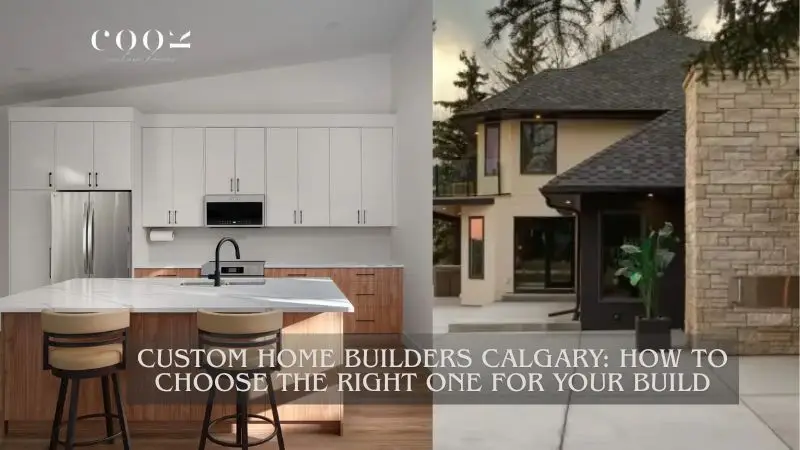
Building a custom home is one of the biggest decisions a family makes. You get to shape every room, every finish and every detail around how you actually live. But the quality of that experience depends heavily on one choice: which builder you trust with it. If you are searching for custom home builders in Calgary, you have probably noticed how many options there are and how different they look on paper. Some build mostly in new suburban communities. Others focus on inner-city infill lots. Some are design-led, others are production-oriented, and communication styles vary enormously. This guide explains how custom home building works in Calgary, what to look for in a builder, how to plan your budget and timeline, and which mistakes to avoid, so you can make a confident decision before you sign anything. What Does a Custom Home Builder Actually Do? A custom home builder manages the full construction of a home designed specifically for you, from site preparation and foundation to framing, mechanical systems, finishes and final handover. Unlike a production builder who offers a fixed catalogue of floor plans, a custom builder works from your needs, your lot and your budget. Depending on the project, a custom builder will typically: The more involved and organized the builder, the fewer surprises you face along the way. Why Building in Calgary Is Different Calgary has conditions that shape how a home should be designed and built. A builder who understands them will save you money and frustration. Climate. Calgary’s winters are long and cold, and chinooks can swing temperatures dramatically within hours. This freeze-thaw pattern puts stress on foundations, exterior cladding, roofing and windows. Insulation strategy, air sealing, window selection and moisture management matter more here than in milder cities. Soil and foundations. Ground conditions vary across Calgary and surrounding communities. Proper geotechnical advice, drainage planning and foundation design protect your home for decades. This is not an area to cut corners. Regulations and approvals. Most new homes require a development permit and a building permit through The City of Calgary, or the relevant municipality if you build outside the city. Homes must meet the current Alberta Building Code, including energy efficiency requirements. Requirements change over time, so your builder should be current on them rather than working from habit. Lot types. Building on an inner-city infill lot is very different from building in a new community or on an acreage near Calgary. Infill projects often involve tight sites, older utilities, neighbouring properties and design guidelines. Acreage builds raise questions about well and septic, access and servicing. A good builder will explain which of these affect your project early. Weather and scheduling. Concrete, framing and exterior work are all affected by Calgary’s seasons. A realistic schedule accounts for this instead of promising dates that ignore the weather. How to Choose a Custom Home Builder in Calgary Choosing a builder is less about who has the best brochure and more about whether you can verify their quality and trust how they work. Here is what to examine. 1. Licensing, Warranty and Insurance In Alberta, new home builders must be licensed and new homes must be covered by a warranty under provincial rules. Ask any builder you are considering to confirm their licensing, the warranty coverage that applies to your home, and their liability insurance. Then verify it independently rather than taking it on faith. Rules can change, so confirm the current requirements with Alberta’s official resources. 2. Experience With Homes Like Yours Ask to see completed homes that resemble the scale, style and complexity of what you want. A builder who is excellent at modern infill homes may not be the right fit for a large acreage build, and vice versa. Look closely at finish quality: trim, tile work, cabinetry alignment, paint lines and how the home feels to walk through. 3. Communication and Transparency Many problems in custom building come down to communication. Ask how often you will receive updates, who your main contact is, how changes are documented, and how selections and deadlines are tracked. A good builder explains the process clearly and is comfortable answering hard questions about cost and schedule. 4. Hands-On Leadership Find out who will actually be on your project. In a family-owned company, you may deal directly with the owner. Cook Custom Homes, for example, is led by founder James Cook, who brings more than 15 years of construction experience and emphasizes craftsmanship, transparency and personal involvement in projects. Whichever builder you choose, ask how closely the senior people stay involved from start to finish. 5. A Clear and Detailed Contract A strong contract spells out the scope, allowances, payment schedule, change-order process, timeline and warranty. Vague contracts are where budgets quietly grow. If you do not understand something, ask for it in plain language before signing. Consider having a lawyer review it. 6. References and Reputation Speak to past clients if possible. Ask what went well, what was difficult, how problems were handled and whether they would build with the same company again. Online reviews help, but a direct conversation tells you more. Understanding the Custom Home Process Every builder has a slightly different workflow, but most custom homes in Calgary follow these stages. The pre-construction stage is where the project is won or lost. The time spent on design decisions, pricing detail and selections before construction begins is the best protection against delays and cost overruns later. Planning Your Budget The total cost of a custom home depends on size, design complexity, site conditions, finish level and market conditions, so any figure quoted without seeing your plans should be treated with caution. Instead of chasing a per-square-foot number, break your budget into categories: Many industry professionals recommend holding a contingency reserve, often in the range of 10 to 15 percent, though the right amount depends on the project and how well defined it is before construction starts. Where Budgets Commonly Go Wrong Ask your builder how allowances are
Building Your Dream Home in Calgary: A Complete Guide to Custom Homes, Renovations & Interior Design
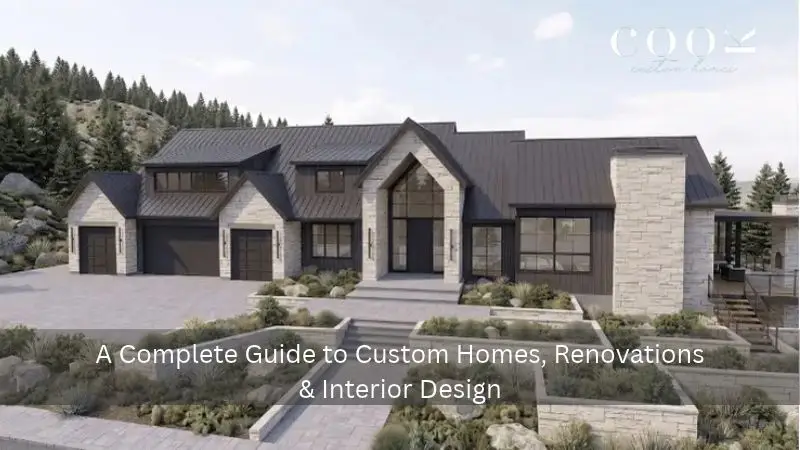
Whether you are picturing a new home on an acreage west of the city, an inner-city infill, or a long-overdue transformation of the house you already own, the same questions come up again and again. Where do we start? Who do we trust? What will it really involve? And how do we avoid the costly surprises we have heard about from friends and neighbours? This guide answers those questions in plain language. It walks through custom home building in Calgary, luxury and acreage construction, floor planning, renovations, kitchens, bathrooms and basements, interior design, budgeting, and how to choose the right team. Use it as a planning reference you can come back to at each stage of your project. Why More Homeowners in Calgary Are Considering Custom Homes and Home Renovations Calgary homeowners have good reasons to look beyond the standard listing. Many families want a home that fits how they actually live: space for multigenerational living, a main-floor office, a mudroom built for Alberta winters, a kitchen designed around real cooking, or a basement that works as more than storage. At the same time, many people love their neighbourhood and do not want to leave. Mature communities such as Bridgeland, Briar Hill, Riverside and Aspen Woods offer location, character and access that are hard to replace. That leaves two realistic paths: build new on a lot you own or purchase, or renovate what you have so it works for the next decade or two. Both paths reward careful planning. The homeowners who are happiest with the result tend to be the ones who understand the process, ask good questions early, and choose a team that communicates openly. Understanding Custom Home Building in Calgary What Is Custom Home Construction? Custom home construction means designing and building a home around your site, your household and your preferences, rather than selecting from a builder’s fixed set of models. The layout, the structure, the finishes and the details are decided with you. Custom home building in Calgary can range from a thoughtfully designed infill on a narrow city lot to a large estate home on several acres. A custom project typically moves through consultation, site review, design and planning, permitting, construction and final completion. A good custom home builder in Calgary guides you through each step so decisions are made in the right order and at the right time. Benefits of Hiring Professional Custom Home Builders A professional builder brings more than labour. The real value is in coordination and judgment: Custom Home vs Production Home Consideration Custom Home Production Home Design Designed for your lot and lifestyle Selected from existing models Flexibility High; layout, materials and details are adjustable Limited to available options and upgrades Site fit Designed around your specific property Often built to a repeatable plan Process More involved, with more decisions Typically more streamlined Timeline Depends on design, permits and complexity Often more predictable for standard plans Neither option is automatically better. A production home can suit buyers who want a simpler process and are comfortable with a defined set of choices. A custom home suits people who want the home to fit their land, their family and their long-term plans. If you are searching for new home builders in Calgary, it helps to decide early which of these approaches matches your priorities. The New Home Construction Process While every project is different, most follow a similar sequence: The more you decide before construction begins, the fewer changes you will make mid-build, and changes mid-build are among the most common causes of budget and schedule pressure. Choosing the Right Residential Builder The best-fitting builder is not always the biggest or the one with the loudest advertising. Look for a team whose style, communication and values match yours. Review past work, speak with previous clients where possible, and pay attention to how clearly the builder explains the process during your first conversations. Later in this guide we cover this in more detail. Important Questions to Ask Before Hiring a Home Builder Luxury Home Building in Calgary and Surrounding Communities What Makes a Luxury Custom Home Different? A luxury home is not defined only by size or price. It is defined by the level of design resolution, material quality, craftsmanship and attention to detail throughout the home. A luxury custom home builder in Calgary will usually be asked to coordinate more complex structural details, higher-end mechanical systems, custom millwork, specialty finishes and a tighter standard of fit and finish. Luxury custom homes in Calgary often feature: Luxury Home Design and Construction Considerations High-end home construction in Calgary involves more variables, which makes early planning essential. A few considerations to settle early: Estate Homes and Acreage Properties Estate home builders in Calgary and the surrounding area manage projects where the property itself is a major part of the design. A custom estate home may need to consider the approach and driveway, orientation to views and sun, outbuildings, landscaping, and how the house sits on the land. Acreage home builders in Calgary also deal with considerations that city builders may not face as often: private servicing, long driveways, and municipal requirements that differ from the City of Calgary’s. If you are choosing an acreage home builder in Calgary, ask specifically about experience with rural and semi-rural sites. Building Custom Homes in Springbank and Bearspaw Springbank and Bearspaw are two of the best-known acreage and estate areas near Calgary, and both attract families who want space, privacy and mountain views while staying close to the city. Both fall within Rocky View County, so permitting and development requirements may differ from those of an in-city project. If you are interviewing luxury home builders in Springbank or a Bearspaw home builder, consider these points: Cook Custom Homes has a dedicated page for Springbank Hill if you are exploring that part of the city’s west side. Important Considerations for Larger Properties Larger properties give you freedom, and they also carry more decisions. Before finalizing a design, think
Ready to Build Your Dream Home in Calgary? 7 Signs It’s Time to Go Custom

Building a home from the ground up is a major decision. It involves more than choosing a floor plan, picking countertops, or deciding how many bedrooms you need. A custom home gives you the opportunity to create a space around the way you actually live from the layout and natural light to storage, entertaining areas, finishes, and long-term functionality. But how do you know when you are genuinely ready to take that step? For many Calgary homeowners, the answer becomes clearer when their current home no longer meets their needs, they have a strong vision for their next home, or they want more control over the design and building process. If you are considering working with home builders Calgary homeowners trust, here are seven signs that building a custom home may be the right next step for you. 1. Your Current Home No Longer Fits Your Lifestyle One of the clearest signs that it may be time for a new home is that your current space simply doesn’t work anymore. Perhaps your family has grown. Maybe you work from home and need a dedicated office. You might want a larger kitchen, additional bedrooms, better storage, or a more functional primary suite. Sometimes the issue isn’t the size of the house at all. The layout may simply be wrong. You may have rooms that rarely get used while the spaces you rely on every day feel cramped. You may find yourself constantly thinking about knocking down walls, adding storage, changing the kitchen layout, or creating better connections between indoor and outdoor spaces. A custom build allows you to address these problems before construction begins. Instead of adapting your lifestyle to an existing floor plan, you can plan the home around your lifestyle. 2. You Know What You Want, Even If You Don’t Have Every Detail Figured Out You don’t need a complete architectural drawing sitting on your desk before contacting a builder. However, it helps if you have started developing a vision. Maybe you’ve saved dozens of kitchen ideas, collected exterior inspiration, or created a folder full of homes and interiors you love. Perhaps you already know that you want an open-concept kitchen, a large mudroom, a home office, a spa-inspired ensuite, or an indoor-outdoor entertaining area. These ideas are valuable starting points. The design process exists to turn those ideas into a practical plan. At Cook Custom Homes, the process begins with understanding the homeowner’s vision, goals, budget, and property before moving into design and planning. That means you don’t have to know everything on day one. What matters is having a clear idea of how you want your future home to feel and function. 3. You’re Ready to Invest in Long-Term Functionality A custom home shouldn’t only look impressive on move-in day. It should continue working for you years from now. Think about how your life may change over the next five, ten, or fifteen years. Will you need: These decisions can be incorporated into the design from the beginning. This is one of the biggest advantages of building a custom property: you can think beyond today’s requirements and create spaces that support your future lifestyle. 4. You Have Found the Right Property or You’re Ready to Find One The lot is an important part of a custom home project. A home’s design needs to work with its property. Lot dimensions, orientation, grade, surrounding homes, access, views, and other site conditions can influence the final design. For Calgary homeowners, this can be especially important when considering established neighbourhoods, luxury communities, or acreage properties. Cook Custom Homes works with homeowners across Calgary and surrounding communities, including areas such as Aspen Woods, Springbank Hill, Discovery Ridge, Springbank, Bearspaw, and Rocky View County. If you already own your lot, a site review can help determine what opportunities and challenges it presents. If you haven’t purchased land yet, discussing your goals with a builder early can help you understand what characteristics may be important when evaluating potential properties. 5. You’re Comfortable Making Design Decisions Custom construction provides freedom but freedom also means making decisions. You’ll eventually need to consider everything from floor plans and cabinetry to flooring, lighting, plumbing fixtures, appliances, doors, windows, colours, and finishes. That doesn’t mean you need to make hundreds of decisions immediately. A good process breaks the project into manageable stages. The key is being willing to participate, communicate your preferences, ask questions, and make decisions as the project progresses. At Cook Custom Homes, the process moves from consultation and site review into design and planning, followed by budgeting, construction, and completion. Having this structured process can make the experience much easier to navigate. 6. Your Budget and Expectations Are Becoming Clearer Budget is one of the most important parts of any new home project. Before construction begins, you should have a realistic understanding of what you want to invest and what your priorities are. That means thinking beyond the basic construction cost. Your overall planning may need to account for factors such as: You don’t necessarily need to know the exact final number before your first consultation. What you need is an honest conversation about your expectations, priorities, and financial parameters. Cook Custom Homes emphasizes detailed budgeting and clear communication throughout the project so homeowners understand the financial expectations as their home progresses from planning into construction. 7. You Want a Builder Relationship, Not Just a Construction Contract A custom home project can take months, which means you’ll be communicating with your builder throughout the process. You’ll discuss designs, budgets, materials, schedules, construction details, changes, and finishing decisions. That’s why the relationship matters. You should feel comfortable asking questions and discussing concerns. You should understand how communication will work and who will be involved in your project. At Cook Custom Homes, founder James Cook remains personally involved in projects and brings more than 15 years of construction experience. The company describes its approach around craftsmanship, communication, accountability, and client relationships. For a homeowner, that personal involvement