
Personalized Luxury Home Design in Calgary: 9 Features to Plan Before Construction
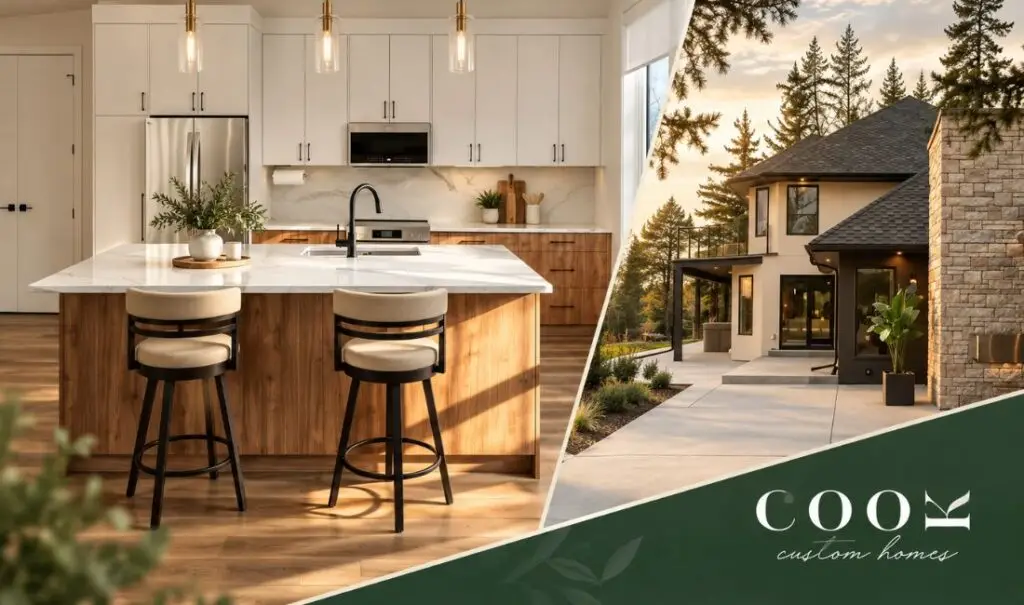
A luxury home is more than an impressive exterior or an elegant interior. It is a carefully planned space that reflects your lifestyle, supports your daily routines, and brings your vision of comfortable living to life. For homeowners considering a custom build, personalized design offers the opportunity to create a home where every room, finish, and architectural detail serves a purpose. In Calgary, designing a luxury custom home also means considering the local climate, property characteristics, natural light, energy efficiency, and changing seasonal conditions. From an open-concept kitchen to a thoughtfully designed outdoor living area, the right decisions made before construction can influence how your home looks, feels, and functions for years to come. At Cook Custom Homes, the focus is on creating thoughtfully designed homes through a personal, hands-on approach. With founder James Cook involved throughout the building process, homeowners can work toward a home that reflects their individual preferences, practical needs, and long-term goals. If you are planning a new build, here are nine personalized luxury home design features worth considering before construction begins. 1. Start with a Floor Plan That Reflects Your Lifestyle A successful custom home design begins with understanding how you want to live. Rather than choosing a standard floor plan and adapting your lifestyle around it, consider how your home can support your everyday activities. For example, families who enjoy entertaining may prefer an open-concept kitchen, dining area, and living room. Homeowners who work remotely might benefit from a dedicated office away from busy household spaces. Growing families may prioritize flexible rooms that can serve different purposes over time. When planning your layout, consider: A personalized floor plan helps balance comfort, functionality, and visual appeal while making better use of the available space. 2. Create an Architectural Style That Feels Personal The exterior of your home establishes its character. Whether you prefer contemporary architecture, timeless traditional details, or a blend of modern and classic elements, your design should reflect your taste while complementing the surrounding property. Consider incorporating architectural features such as large windows, natural stone accents, carefully selected exterior materials, distinctive entryways, or thoughtfully proportioned rooflines. The goal is not to include every luxury feature available. Instead, select elements that work together to create a cohesive design. For Calgary homeowners, exterior planning should also account for seasonal weather conditions and material performance. The right combination of suitable materials, insulation, window specifications, and detailing can help support durability and year-round comfort. Working with an experienced custom home builder helps bring these design decisions together with the practical requirements of construction. 3. Design a Kitchen That Combines Luxury and Functionality The kitchen often becomes one of the most frequently used spaces in a home. It serves as a place for preparing meals, gathering with family, entertaining guests, and managing everyday routines. A personalized luxury kitchen should look beautiful while supporting the way you cook and use the space. Consider features such as: Material selection is equally important. Natural stone, wood finishes, textured cabinetry, and carefully chosen hardware can create a refined appearance without making the room feel overly elaborate. By considering your cooking habits and entertaining preferences early, you can create a kitchen that remains functional long after the initial excitement of moving into a new home. 4. Make Natural Light a Priority Natural light can influence the atmosphere, perceived spaciousness, and overall comfort of a home. Thoughtful window placement can also strengthen the connection between indoor living spaces and the surrounding landscape. During the design stage, consider how sunlight moves across your property and how different rooms will be used throughout the day. Large windows may be particularly effective in living rooms, dining areas, and spaces that overlook attractive outdoor views. Skylights or carefully positioned windows may also help introduce daylight into selected areas. However, larger windows should be planned alongside considerations such as privacy, glare, insulation, solar heat gain, and energy performance. In Calgary, where winter daylight and temperature conditions can influence indoor comfort, window orientation and specifications deserve particular attention. A well-planned lighting strategy combines natural daylight with artificial lighting. Recessed fixtures, pendant lights, wall sconces, and task lighting can create different moods while keeping important areas practical and comfortable. 5. Choose Materials and Finishes That Reflect Your Taste Materials play an important role in defining the personality of a luxury custom home. Flooring, cabinetry, countertops, wall treatments, fixtures, and hardware all contribute to the finished appearance. Instead of selecting materials individually without an overall plan, establish a consistent design direction before making final decisions. For example, a warm contemporary interior might combine natural wood, neutral wall colours, subtle stone textures, and understated metal accents. A more traditional home could incorporate detailed millwork, classic cabinetry, layered finishes, and timeless architectural elements. When selecting materials, consider: It is also helpful to create a materials palette before construction progresses too far. This reduces uncertainty and helps maintain consistency between the kitchen, bathrooms, living areas, and other interior spaces. Personalization does not necessarily mean choosing the most expensive finishes. Thoughtful selection and coordination often make a greater difference than adding more decorative features. 6. Incorporate Storage Without Compromising Design Storage is an essential part of a well-designed home, even when the overall goal is a sophisticated, uncluttered interior. Without adequate storage, attractive living spaces can quickly become crowded with everyday belongings. Integrating storage into the original floor plan helps preserve the appearance and functionality of each room. Depending on your needs and available space, consider: For Calgary households, a practical entry area can be particularly valuable during winter, when boots, coats, and outdoor accessories require additional space. Built-in solutions can also reduce the need for freestanding furniture and help create a more cohesive interior. The key is to identify storage requirements during planning rather than trying to accommodate them after the home is complete. 7. Design Private Spaces for Relaxation and Productivity Luxury is not limited to shared living areas. Personal spaces can make a home more comfortable by supporting rest, concentration, and individual